We may not win the battle, she says. And while there’s always fear, somewhere down in the heart-sore depths of watching our children grow, there’s always fear that things can change in an eyeblink, that the wing-free lightness of the trilling dancers of a school-day afternoon will be quelled and quashed into cowering silence under oppressive meticulous measures and the green sprout-air mists turned to rubble and rabble — yes, those fears, because it’s happened before, no matter how far away, there’s always that thought that, yes, they too were head-strong and bright-blessed and knew where they stood in relation to the sun and to books and to power and yet they were brought cowering down into burkas or killing fields or prayer circles and quiver-full submission.
But I’ve lost my way in this telling, haven’t I? It’s exactly what I’m trying to convey to you, that we spent so much time trying to win the war all at at once — what irony, to say we spent’ time! That was one of the first clues: that words matter, what we say and how we say it and what metaphors you choose, they shape the world; not in some theoretical, mind-sharp abstract way but in a sticky sugar-spun deliciousness that we only began to suspect very slowly. I think the children were chanting some little rhyme — easy down the dell, sweet water mine, who’s gonna tell, you crossed the line — one of those, where the harmonies overlay and wrap around the shimmer-struck skipping until you can’t tell which child is which amid the laughter — and suddenly the air was filled with sparkles and there were layers and echo-memories — who knew it had been a faery-glen, centuries-gone and down the way? And the future-children were there too, weaving in and out and beyond and we knew then, for a certainty, that, sure, we might not win the battle, but with our pattern-magic and the sheer sun-dripped love of this place, we can weave our deep-root fingers into all of it and survive.
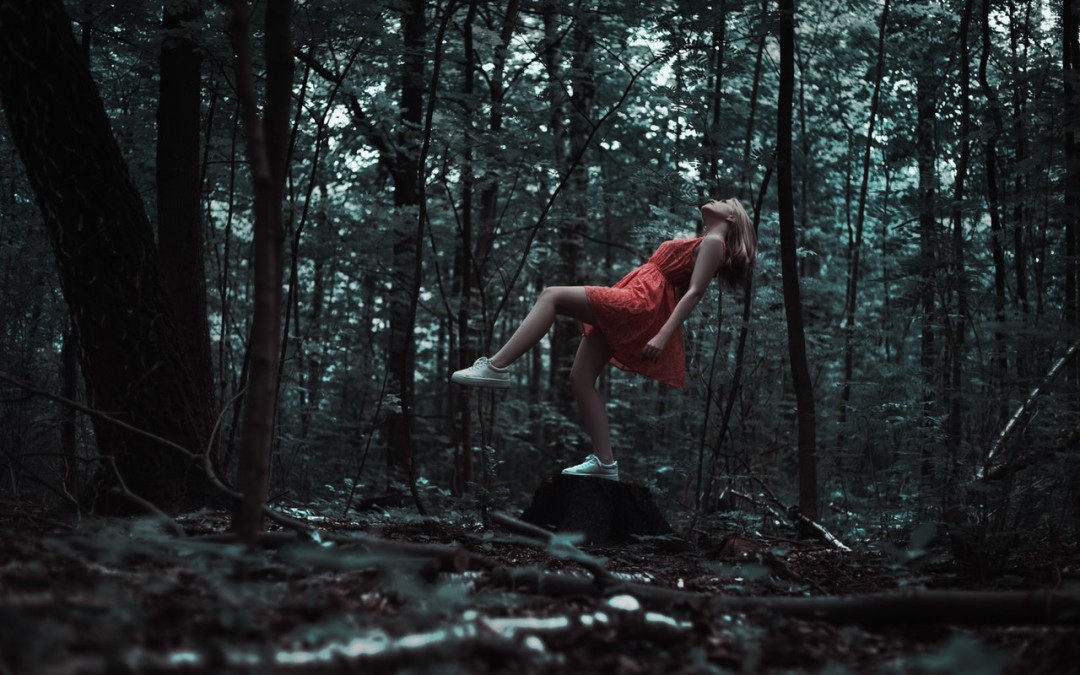
It was Jessica who crossed over the first time. She had a golden voice and an air-bright feel to her, so when she winked out of my vision, I barely blinked. She came back ragged and hoarse, but she was clutching a secret that changed how we powered the whole city, and she was smiling, so we held her and stroked her honey-wreathed and leaf-shivery body until she calmed.
It took 20 scientists almost a year to work out the clues in that crystal she carried; the light-lattice and its density, and what it meant for travelling. Not just in 3‑space — into theirs, too. I make it sound like it’s some otherworldly beings, but it’s just us, just future us and past us, before — and after — we believed the pared-sparse clinical lies of rationality.
You can imagine the weeks afterwards, trying to replicate the results, making the children line up again and sing the same song-lines but their drone-dullness and shoe-shuffle boredom gave away their lackadaisical disinterest and naturally, nothing happened. Finally, one of them told us straight up that if this was what the future meant, they wanted no part of it, and they wailed some sort of keening about it, echoes of revolution and dancing and slip-smart snaps which made the others laugh and weave their rhyme-sharp observations about our intelligence in there too, and then, it happened again — callbacks from another time interspersed and then, crack, this time three of them, mid-word, and the others left dumbfounded. It was a little more jarring, with Akembe being on the solid side and then suddenly not. I swear he came back thinner, like he’d been running, which is always a fear I have — they don’t tend to talk much about what’s over there, ahead of us, apart from to tell us not to worry and that we’ll be okay.
He came back clutching seeds — and 70 different cool-water soft ways to love them into being even with our changing weather. He sang those seeds into grand forests and promenades of shadow-solace, even after he was long full-grown and didn’t dance any more. I can still see his big brown hands gentling a leaf into place or humming the mind-pattern to a small one so the next generation could carry it down.
We still send them — sometimes by accident, sometimes with a plan, solemn but joyous in our deep-toned loops. The kids that have crossed — it’s always young ones, no one over 16 has even been — always have a hesitation about them, a wise-knowing beyond their years, and you can see it when the singing starts, like they’re flash-poised in case they’re taken again, but only one has ever been twice, and she’s the only one hasn’t come back.
I like to think it’s because we’re done, that the anchors we’ve set down in our time are tug-hardy and we can rest now, time and love and magic intertwined, and so she chose to stay. As I listen to the harmonies waft sun-dappled across the hill, though, it’s bittersweet. I dream that sometime, in the future, I’ll find a message she’s left me, or a love-trinket, or in my most ache-sharp thoughts, that I’ll find her, so much older than me now, white-speckle hair and an impish grin and she’ll stroke my face and tell me what she’s seen and that it filled her with joy. She was my first love, just days younger and she went without me, singing to me on my 16th birthday, just as I ran out of time.