 |
|
|
R: What’s your reaction to globalisation in general?
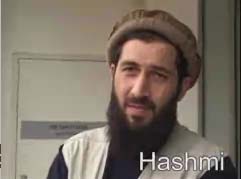
H: I think it’s the logical conclusion of exploitation and capitalism. Even though I’m not a socialist, I’m not a Communist, so don’t take my views as a stereotype of coming from the left. I think there’s a culture of globalisation, that is again hooked back into exploitation and capitalism, and the fact that there are a few entrepreneurs out there who can lead the world and the rest of them should be just servants of other people. That’s an economic assumption that is actually wrong, and almost of the opinion — and it’s backed by some other academics — that every individual can be an entrepreneur, that every individual can be self-employed, so I think most of the tragedies are because certain people can’t have enough, they just can’t get enough.
R: Do you feel like you’re part of a global community of Afghani people?
H: I believe I’m a new generation of the Muslim world. Because there’s a lot of Muslims who are affected by globalisation, imperialism, colonialism and nationalism, so they’ve fled those tyrannical governments and they’ve come to the refuge — ironically, they’ve taken refuge in these societies, and when they go back they realise that their society is not what they thought it was. Like for example, I’m an Afghan: when I went to Afghanistan, I wasn’t an Afghan. Because I had changed. And when I’m here, I’m not accepted. So there’s this new network, this new looking for… people are looking for a new brotherhood of globalisation, a global brotherhood and for Muslims, that’s the new stage. The only thing we can cling onto is the religion, nothing else.